This is the story of recording Laura Netzel’s complete works for violin and piano - a Swedish-Finnish composer whose music, admired across Europe during her lifetime, later slipped from the place in the repertoire it deserves. It began not as a rescue mission but with curiosity: music I heard by chance on the radio and couldn’t stop thinking about. I was wondering why her music for violin was so rarely performed. Here’s how that chance encounter grew into a doctorate and a recording for DUX.
Why This Music Matters to Me.
What draws me in isn’t the idea of rediscovering overlooked music for its own sake. It’s a particular moment: finding music that genuinely works in a hall, that moves an audience - and yet is heard far less often than it deserves.
What fascinates me is the gap between the concert hall and the repertoire. Every now and then you encounter a piece that immediately comes alive in performance, connects with an audience, and simply works. When music like that is still largely absent from today’s repertoire, I can’t help asking why.
There was never a single piece, or a single moment, where I thought "this has to be heard." It was more a conviction that built slowly, piece by piece, until it was simply obvious: this music deserves a place in today’s concert life. And that, more than anything, is what still keeps me here - not collecting forgotten names, but searching for music that still has something meaningful to say and helping it find its place in today’s concert repertoire.
Who was Laura Netzel.
Laura Netzel was a Swedish-Finnish composer and one of the first women to write music in nineteenth-century Sweden. During her lifetime, her works were performed internationally, published by leading European publishers and admired for their melodic richness and French elegance. Yet, over time, much of her music gradually disappeared from the concert repertoire-not because it lacked artistic quality, but because the repertoire we inherit isn’t shaped as much by who gets remembered as by the quality of the music itself.
From Research to Performance.
Research doesn’t end in the archive-it continues on stage.
Working with historical sources means looking beyond the printed score. It is about understanding the musical language, notation, and performance traditions of the time, allowing historical research to inform artistic decisions rather than limit them.
My doctoral research at the Academy of Music in Gdańsk and my work as a performer are two sides of the same process. Research informs interpretation, while performance constantly tests and deepens what the research suggests.
Every interpretation is shaped by countless small decisions - about tempo, phrasing, articulation, and character. The goal is not to recreate an unknowable “original intention,” but to make informed artistic choices that are both historically grounded and musically convincing.
For me, research is not separate from performance - it is one of the ways performance becomes deeper, more informed, and ultimately more meaningful.
What the music is like.
Laura Netzel’s music brings together the warmth of Scandinavian Romanticism and the elegance of the French tradition she came to know during her years in Paris. Her gift for melody is immediately apparent, but it is matched by harmonies that are bold, colourful and unexpectedly adventurous.
Some pieces are intimate and song-like, while others are brilliant, virtuosic and full of energy. Throughout them all runs an instinctive understanding of both the violin and the piano, creating music that is as satisfying to perform as it is to hear. It is no surprise that Netzel herself regarded chamber music as one of her most natural forms of expression.
For anyone curious before they listen: this is music that moves between the salon and the concert hall, lyrical and warm in places, genuinely virtuosic in others. The album gathers her works for violin and piano, among them Suite Op. 62, Berceuse et Tarentelle Op. 28, Romance Op. 38, La Gondoliera Op. 60 and Tarantelle Op. 33. It’s the kind of repertoire that surprises people - not a historical curiosity to be admired politely, but music that earns its place on a programme next to the names everyone already knows.
Why this music belongs on today’s stage.
I’m often asked why I’d dedicate so much artistic and research work to a composer almost no one has heard. The answer is simple: because the music deserves it. Championing rediscovered composers - particularly women like Netzel and Amanda Maier - isn’t an act of charity toward the past. It’s the opposite: this is repertoire genuinely worth playing that simply hasn’t had its turn. During her lifetime, Netzel’s works were admired for their memorable melodies, rich harmonies and French elegance, and were performed and published well beyond Sweden - yet over time they slipped from concert programmes. Bringing them back isn’t nostalgia; it’s giving today’s audiences music that still feels fresh, expressive and alive. Every time I perform these works, I’m reminded that they don’t need historical justification - they simply belong on the concert stage.
That belief lies at the heart of everything I do, both as a performer and as a researcher: not simply rediscovering forgotten music, but helping exceptional music find its audience again.
The recording itself.
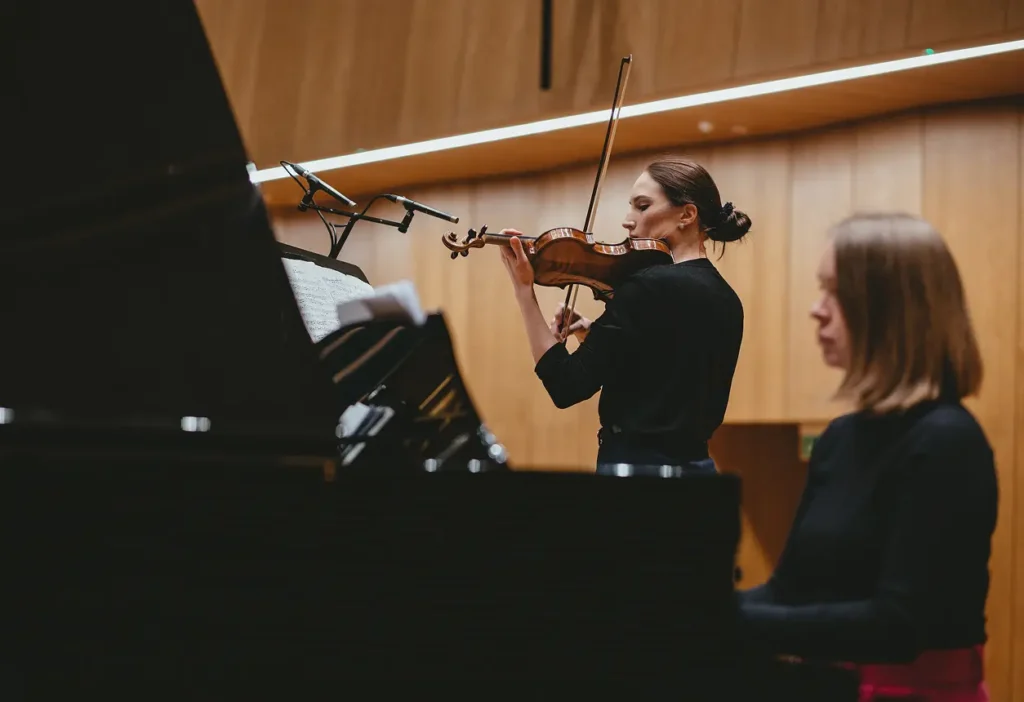
The album was recorded with pianist Aleksandra Dallali and released by DUX. It presents, for the first time, Laura Netzel’s complete works for violin and piano. While some of these pieces have been performed or recorded before, others have remained largely absent from today’s repertoire, and survived only as manuscripts.
Questions I’m often asked.
Who was Laura Netzel.
A Swedish-Finnish composer, pianist, conductor and philanthropist, Laura Netzel was one of the first women to compose professionally in nineteenth-century Sweden. During her lifetime, her music was performed internationally and admired for its melodic richness and French elegance, yet much of it later disappeared from the concert repertoire.
Where can I listen to Laura Netzel’s violin and piano works.
The complete works for violin and piano are recorded for DUX with pianist Aleksandra Dallali, available on Spotify and the other major platforms, and as a physical CD.
Why record forgotten women composers.
Because the music deserves to be heard on its own merit. Restoring overlooked repertoire isn’t an act of charity - it’s about giving genuinely remarkable music the audience it deserves.
Listen, and bring the music to your stage.
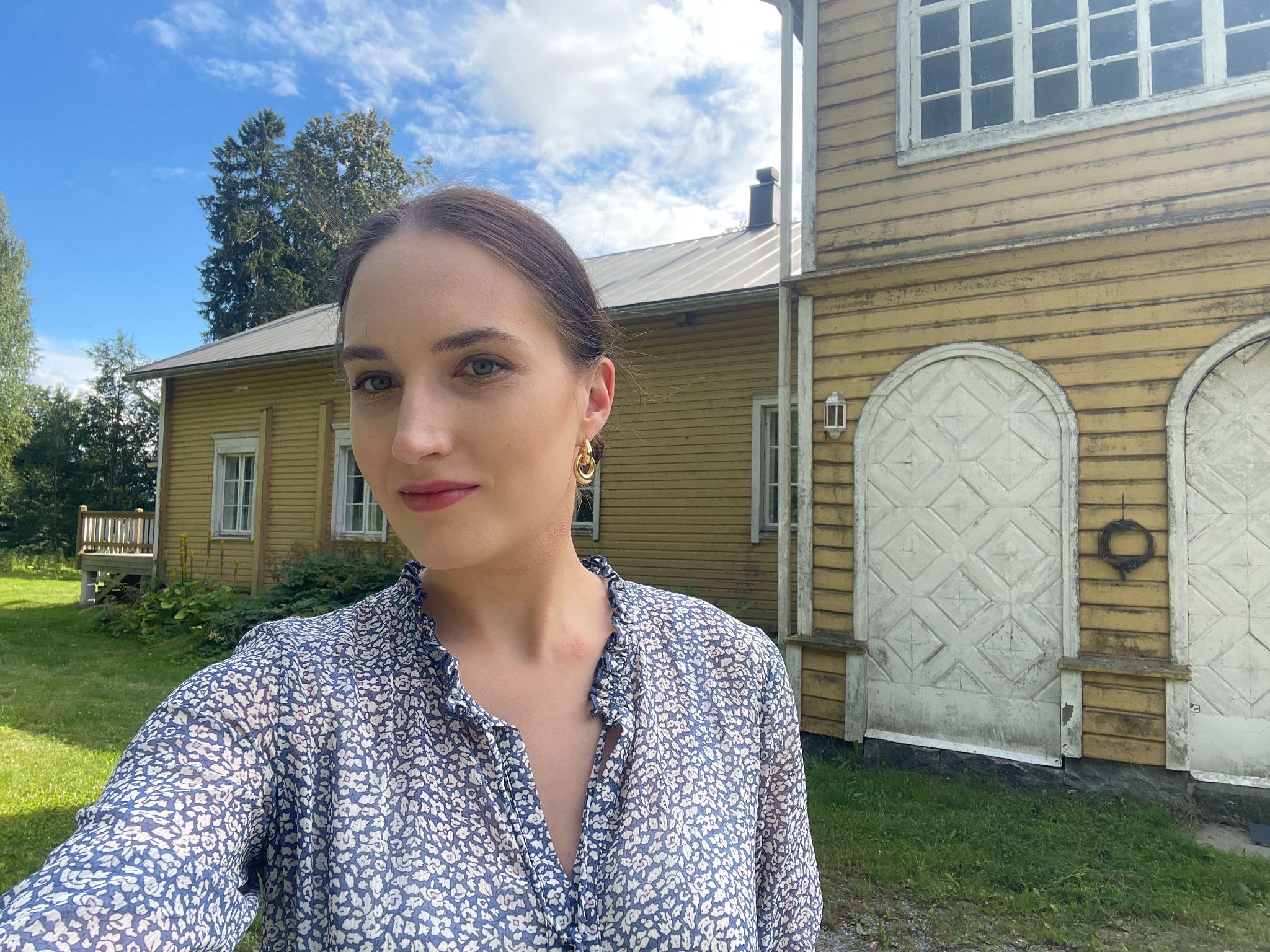
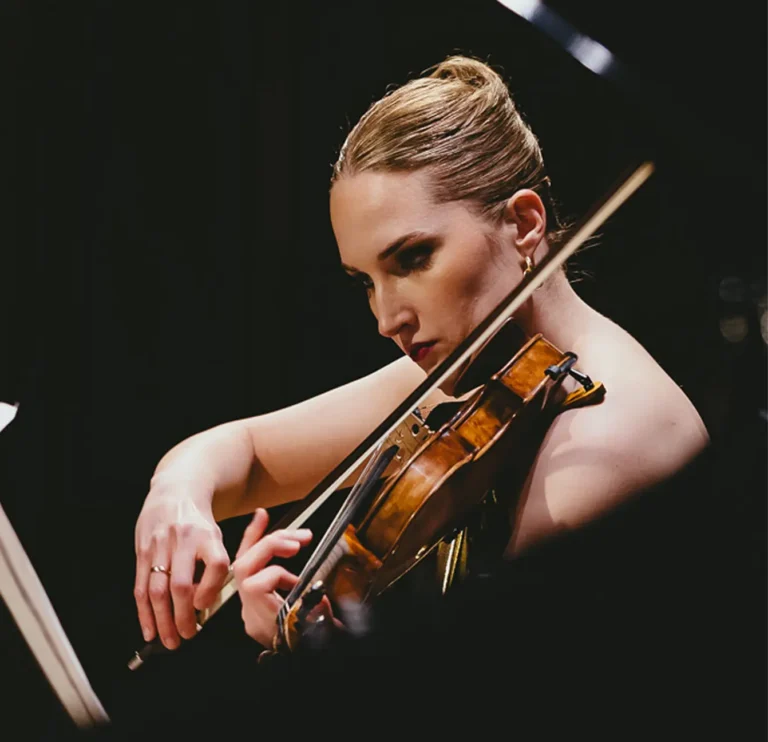
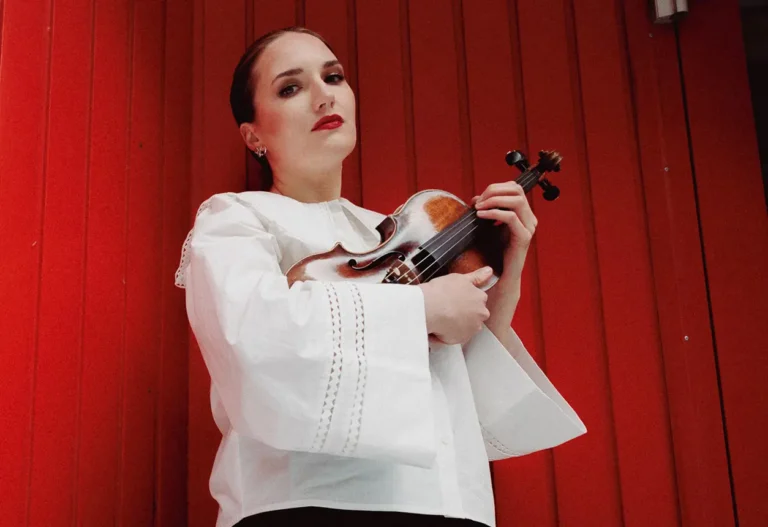
I’m Agata Kawa-Cajler, a Polish-born violinist based in Sweden, and recording Laura Netzel’s complete works for violin and piano is the heart of my work in returning music of real value to the platform. You can listen on Spotify or order the CD, or, if you’re a festival or concert organiser, invite me to perform a programme built around Netzel’s music.